By Admin

An Expat's Guide to ERP Timings in Singapore

Key Takeaways
Electronic Road Pricing (ERP) is a Singapore road-pricing system designed to manage congestion on selected expressways and roads during peak periods.
The timing varies across different ERP gantries. Charges can apply in the morning, evening or, for certain routes, at other times of the day.
Common weekday morning windows include 7.00 am to 10.00 am on selected city-bound expressway routes, while some outbound routes are charged from around 5.30 pm to 8.00 pm.
Expats who are leasing cars are still subject to ERP charges like residents, although the payment process may differ depending on the rental arrangement.
Introduction
For many expats, driving in Singapore can feel refreshingly straightforward. The roads are well-maintained, signposting is clear, and the island is compact enough for most destinations to feel within easy reach. Yet one feature of local driving can catch newcomers off guard: Singapore’s ERP system.
What Is ERP?
ERP is Singapore’s electronic road-pricing system, designed to keep key roads moving more smoothly during busier periods. Charges apply when vehicles pass through designated gantries at locations with typically higher traffic demand.
When your vehicle passes beneath an active gantry, the charge is automatically deducted via its In-Vehicle Unit or On-Board Unit. The amount varies depending on the gantry, travel time, and vehicle category.
A General Overview of ERP Gantries and Their Timings
There is no single citywide ERP schedule. Instead, each gantry has its own operating window, based on traffic patterns in that area.
However, there are several broad patterns you can follow. For example, city-bound expressway routes are more commonly charged in the morning, while selected outbound routes may carry charges in the evening.
The table below provides a snapshot of some ERP timings for Passenger Car Units (PCU), effective from 29 June 2026:
Route and Direction | Time Period (AM) |
AYE after Jurong Town Hall towards the City (Set of 3 Gantries) | 7.00 – 7.30 |
7.30 – 8.00 | |
Southbound CTE before Braddell Road | 7.00 – 7.30 |
8:00 – 8:30 | |
8:30 – 9:00 | |
PIE at Kallang Bahru and slip road into Bendemeer | 7.00 – 7.30 |
7.30 – 8.00 | |
8:00 – 8:30 | |
8:30 – 9:00 |
Selected evening ERP gantries may follow a different pattern. For example, the Northbound CTE after the PIE operates from 6.00 pm to 8.00 pm on weekdays, with rates varying across the evening. For example:
Route and Direction | Time Period (PM) |
Northbound CTE after PIE | 6.00 – 6.30 |
6.30 – 7.00 | |
7:00 – 7.30 | |
7.30 – 8.00 |
ERP rates and operating times are reviewed regularly by the Land Transport Authority and may change in response to traffic conditions.
When Are ERP Charges Not Applied?
ERP charges do not apply on Sundays or Singapore public holidays, which can make these days more straightforward for leisure drives, family plans or airport journeys.
On the eve of New Year’s Day, Chinese New Year, Hari Raya Puasa, Deepavali and Christmas Day, ERP operations stop at 1.00 pm. This can be useful to keep in mind when planning festive visits or an early start to a long weekend.
Saturdays are different. Some ERP gantries may still operate, depending on the route and prevailing schedule, so it is worth checking the latest rates and news before setting out.
Do Expats Have to Pay ERP Charges in Rental Cars?
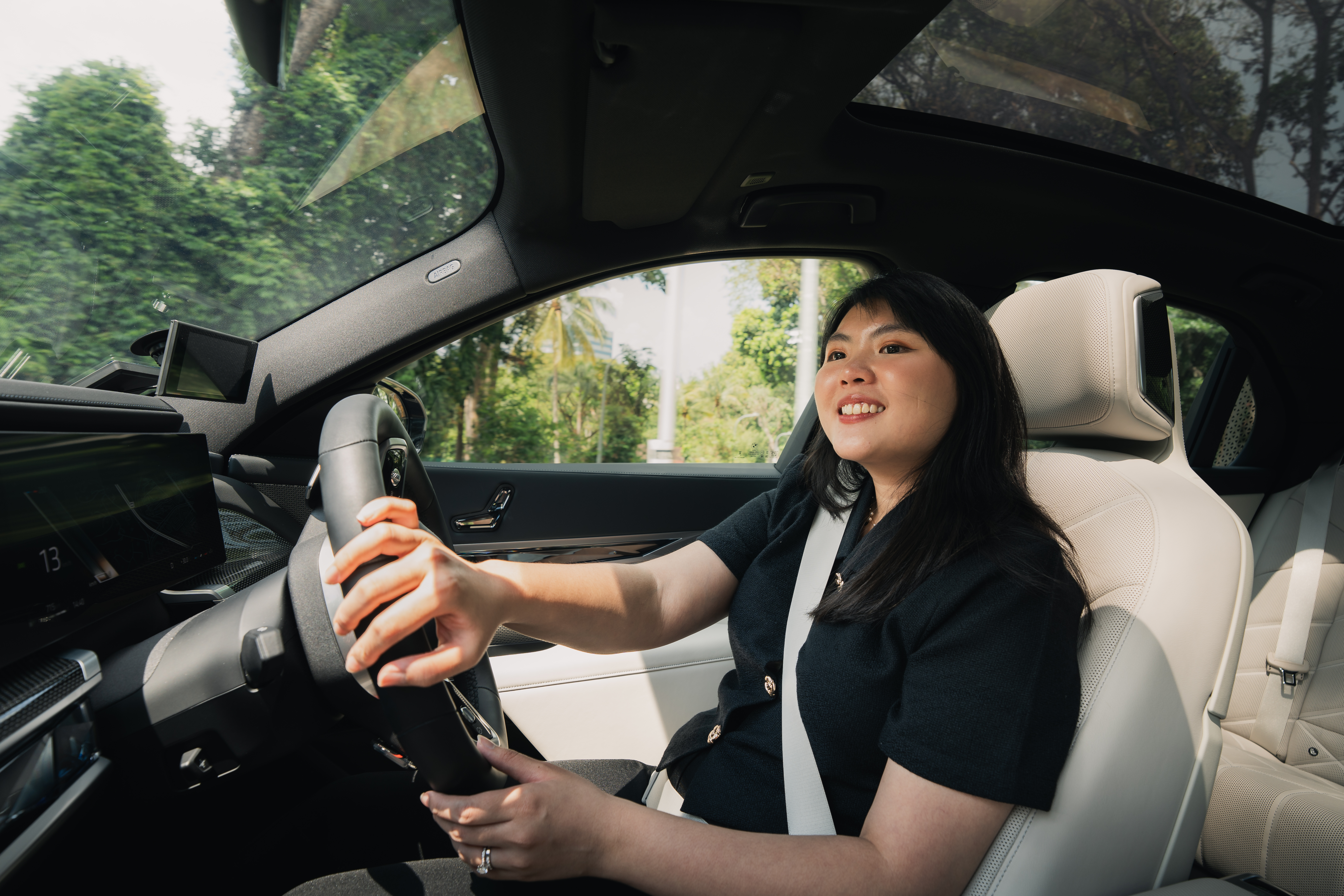 Yes. ERP charges apply to any vehicle passing through an active gantry, regardless of the driver’s nationality or residency status. Whether you are using a short-term rental car or leasing a vehicle for a long-term stay, the same road-pricing rules apply.
Rental vehicles are generally fitted with the required In-Vehicle Unit or On-Board Unit, allowing ERP charges to be processed automatically as you travel. The payment arrangement may vary by provider.
At Eurokars Leasing, you may opt for a NETS FlashPay card pre-loaded with S$20 as an add-on during the booking process, subject to availability and applicable terms. This provides a convenient way to cover ERP and parking charges from the start, without needing to arrange a separate payment method before your first journey.
However, you’ll remain responsible for ensuring the card has sufficient stored value throughout your rental period. For added convenience, top-ups can be made via the NETS App or at selected top-up machines, convenience stores and petrol stations.
Tips for Planning Your Route and Schedule Around the ERP System
1. Adjust Your Travel Time Where Possible
Changing your departure time by 20 or 30 minutes can sometimes make a noticeable difference. For example, consider leaving home slightly earlier for work so that you pass through a city-bound gantry before the morning charging period begins. If your schedule is more flexible, travelling after the peak window has ended may also help avoid ERP timings and charges.
2. Use Navigation Tools Before You Set Off
Before heading to an unfamiliar part of Singapore, check navigation apps such as Google Maps or Waze. They can help you identify whether your route passes through ERP gantries, compare estimated travel times and consider alternative roads.
3. Decide When Time Matters More Than Cost
For time-sensitive journeys, paying the ERP charge may be the more practical choice. This could include travelling to a client meeting, catching a flight or moving between several appointments in one day. Rather than taking a longer route simply to avoid the charge, consider whether the time saved is worth the additional cost.
Conclusion
Once you are familiar with the routes you use most often, the gantries along the way, and the ERP timings that apply, it becomes easier to plan each journey with confidence.
Having a reliable vehicle already set up for Singapore’s roads can make the transition smoother, especially when you are still getting used to systems like ERP. At Eurokars Leasing, we offer both short- and long-term car leasing options, with fully insured, meticulously maintained vehicles and flexible arrangements. With us, you can stay focused on enjoying your journeys around Singapore with greater ease.